

Blog
Abnormal Crusher Vibrations
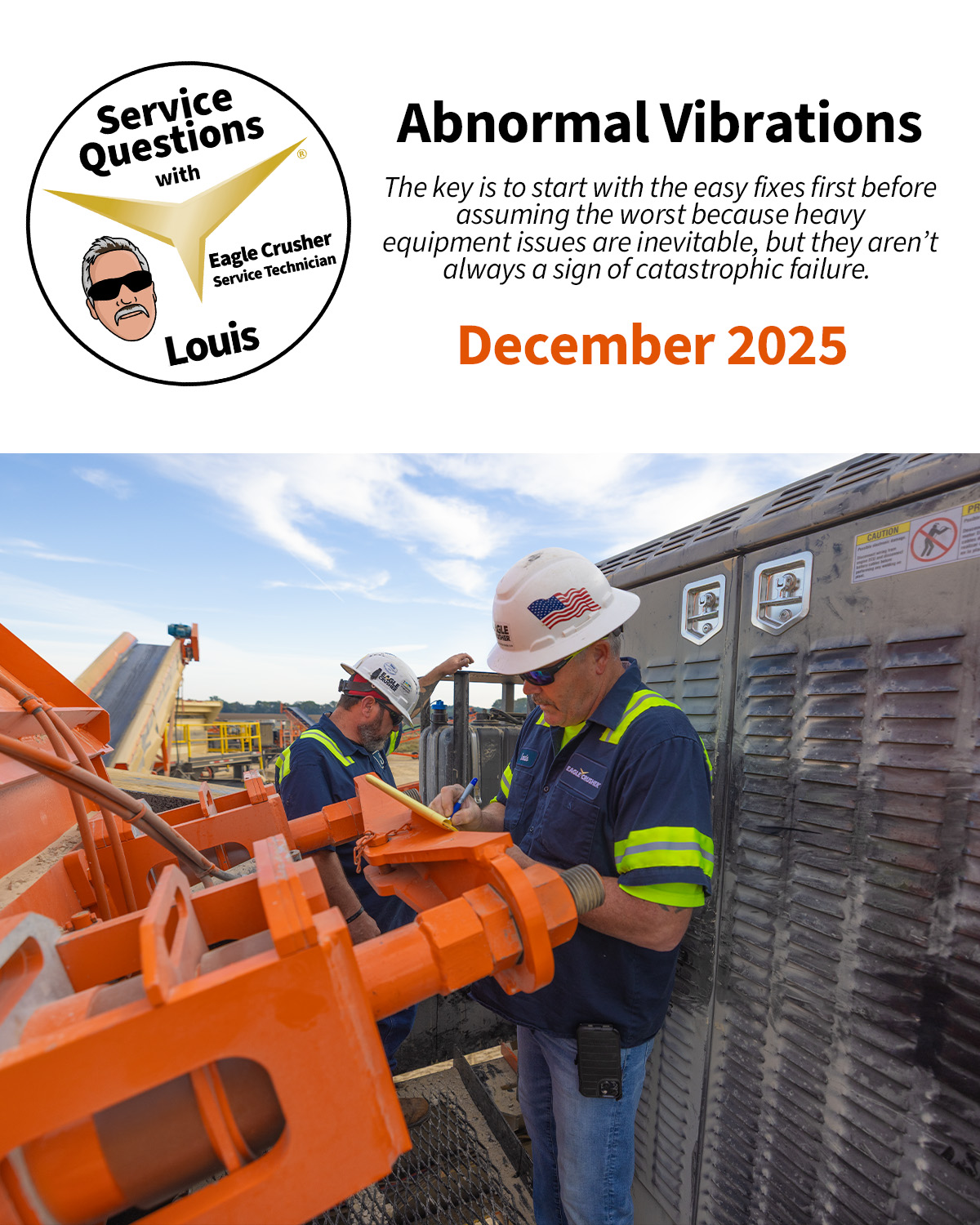
Service Questions with Louis: Abnormal Crusher Vibrations
In the world of construction, aggregates, and material recycling, equipment reliability is everything. When a machine goes down, production stops, deadlines slip, and costs rise. It’s easy to assume every issue is major or expensive, but the truth is that many common heavy equipment problems have simple solutions if you know what to look for. Many times, if you catch and address issues when they are small, you can prevent them from becoming major issues that require extended down time. Understanding the difference between a major breakdown and a minor maintenance fix can save your team time, money, and unnecessary headaches. Today, let’s learn with Eagle Crusher Service Technician, Louis, about the common causes and solutions to abnormal vibrations that come from your machines.
Common Causes of Abnormal Crusher Vibrations
- Feeding Issues: Oversized materials and uneven feeding can cause abnormal vibrations.
- Improper Wear and Tear: Impactor Plates, Jaw Dies, and Blow Bars in Impact Crushers, are going to wear, but uneven wear on the liners can cause abnormal vibrations. Additionally, bearings that are worn can overheat and create noise.
- Loose Components: After hours of usage, bearings, shafts, fasteners, and more can become loose.
- Misalignment: The imbalanced rotor can cause material buildup and uneven wear. Fluid couplings being misaligned can cause failure in the bearings, seals, and the coupling itself.
Common Solutions of Abnormal Crusher Vibrations
- Feeding Issues: While the machines will react to the addition of feed materials, it’s important to not add oversized materials and to evenly space out your feed loading. You can reach out to the manufacturer, or the owner’s manual, for recommendations on feed size and timing.
- Improper Wear and Tear: Add regular inspections to your schedule. The faster you can catch improper wear and tear, the less down time you will have in replacing the wear plates.
- Loose Components: After completing your regular inspections, make sure to tighten or replace any components.
- Misalignment: Clean any build up in the impactor or jaw crusher and replace wear parts in sets. An uneven replacement could cause more issues.
- Lubrication: During your regular inspection, make sure all items, such as hydraulic lines and bearings, are properly lubricated.
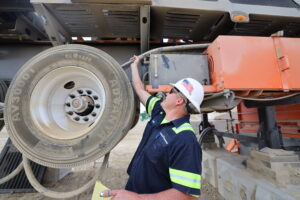
Preventative Maintenance is the Key
When equipment is maintained regularly, troubleshooting becomes faster and more accurate. Routine inspections help catch the simple problems before they escalate into costly downtime. Proper lubrication, timely filter changes, and a regular system check all reduce the chance of a small issue turning into a major failure.
If you’re unsure what to include in your routine maintenance, check out the variety of places you have at your disposal:
- Owner’s Manual
- Authorized Dealer
- Check out the list of Eagle Crusher’s Authorized Dealers
- Manufacturer
- Reach out to Eagle Crusher’s Service Team
Learning from the Professionals
While many equipment issues are simple, some problems truly require a trained technician. If you’ve worked through the basic checks and the machine is still malfunctioning, a deeper issue may be at play. The key is to start with the easy fixes first before assuming the worst because heavy equipment issues are inevitable, but they aren’t always a sign of catastrophic failure.
With a little knowledge, a keen eye, and a structured approach to troubleshooting, many problems can be resolved by you, quickly and affordably. Understanding the difference between a major breakdown and a simple fix empowers your operators, minimizes downtime, and keeps your equipment working hard on the jobsite.