

Blog
Crushing Dust Control: Essential Safety Strategies for Portable Plants
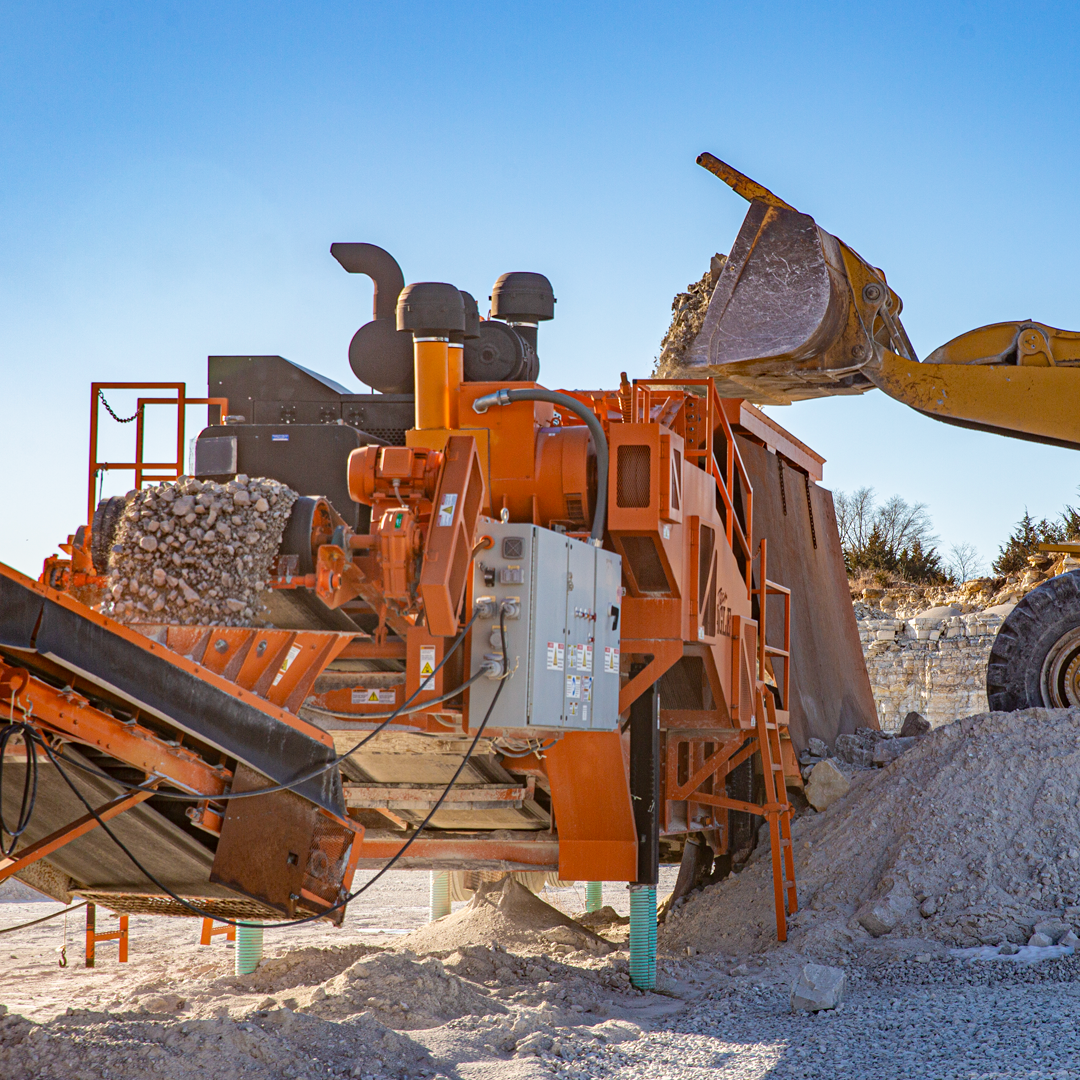
When operating a portable plant on a crushing job, it pays to follow proper safety procedures to ensure the well-being of the work crew. Large and small rocks can present significant safety hazards, but even the process of crushing these rocks creates hazards as well.
Crushing materials like aggregate, concrete, and asphalt can create fine dust that, when inhaled, can cause serious respiratory damage. This is why dust suppression crushing practices are necessary to protect portable crushing plant operators and crew members. Proper dust control isn’t just good practice—it’s a regulatory requirement.
Understanding the Risks of Aggregate Crushing Dust
The dust generated during crushing operations contains respirable silica particles small enough to penetrate deep into the lungs. Prolonged exposure to this aggregate crushing dust can lead to:
- Silicosis (scarring of lung tissue)
- Chronic obstructive pulmonary disease (COPD)
- Lung cancer
- Other serious respiratory conditions
These health risks make effective dust suppression methods essential for any crushing operation.
OSHA Requirements for Dust Suppression in Crushing
Agencies like OSHA mandate proper crushing dust control around portable crushing plants. OSHA specifically recommends two primary methods for managing dust and protecting nearby workers: wet methods and operator isolation.
Wet Methods for Dust Suppression
The wet methods entail suppressing the crushed rock dust with swaths of water droplets sprayed from nearby hose nozzles. This approach is one of the most common dust suppression techniques used in the industry.
OSHA recommendations for wet methods:
- Ensure water nozzles thoroughly wet the dust with complete coverage
- Position spray nozzles at key dust generation points (crusher discharge, conveyors, transfer points)
- Maintain consistent water pressure and flow
- Adjust spray patterns based on wind conditions
Proper water spray application significantly reduces airborne dust particles before they can be inhaled.
Operator Isolation Method
The operator isolation method entails utilizing an enclosed booth or remote-control station to separate the crushing operator from the dust-affected area. This provides a physical barrier between workers and airborne particles.
OSHA recommendations for operator isolation:
- Ensure the booth is well-sealed to prevent dust infiltration
- Provide adequate ventilation with filtered air
- Alternatively, locate remote-control stations sufficiently upwind from dust sources
- Maintain and regularly inspect seals and filters
Combining Methods for Maximum Protection
OSHA describes that when used in tandem, the wet methods and operator isolation method provide sufficient protection for the crushing crew from dust and should not require additional respiratory protection. This combined approach offers multiple layers of safety.
However, steps should always be taken to ensure the well-being of the portable crushing plant team so they can operate safely. Each job site presents unique conditions—wind patterns, material types, production rates—that may affect dust generation and control effectiveness.
When Additional Respiratory Protection Is Needed
While proper dust suppression methods typically provide adequate protection, certain situations may require supplemental respiratory protection:
- Unusually high dust generation from specific materials
- Limited water availability restricting wet method effectiveness
- Equipment breakdowns affecting dust control systems
- Extreme wind conditions dispersing dust control measures
If respiratory protection is found to be needed on a crushing job, it should be provided accordingly. Personal protective equipment (PPE) should meet OSHA standards and be properly fitted to each worker.
Protect Your Crew and Stay Compliant
Effective dust suppression in crushing protects your crew’s health while ensuring regulatory compliance. OSHA inspections can result in significant fines for inadequate dust control, making proper implementation both a safety and financial priority.
For additional information about dust suppression and implementing proper safety procedures, visit osha.gov or contact Eagle Crusher to speak with a Team Eagle representative about equipment features that support effective dust management.
Important Disclaimer: This article does not serve as an official safety recommendation by Eagle Crusher and should not be viewed as such. All relevant staff should consult their owner’s manual before operating Eagle Crusher equipment, or any other manufacturer’s equipment, and comply with the safety guidelines therein. For specific regulatory requirements, consult OSHA standards and your local safety authorities.