

Blog
Lockout Tagout Procedure: Protecting Crushing Personnel During Maintenance
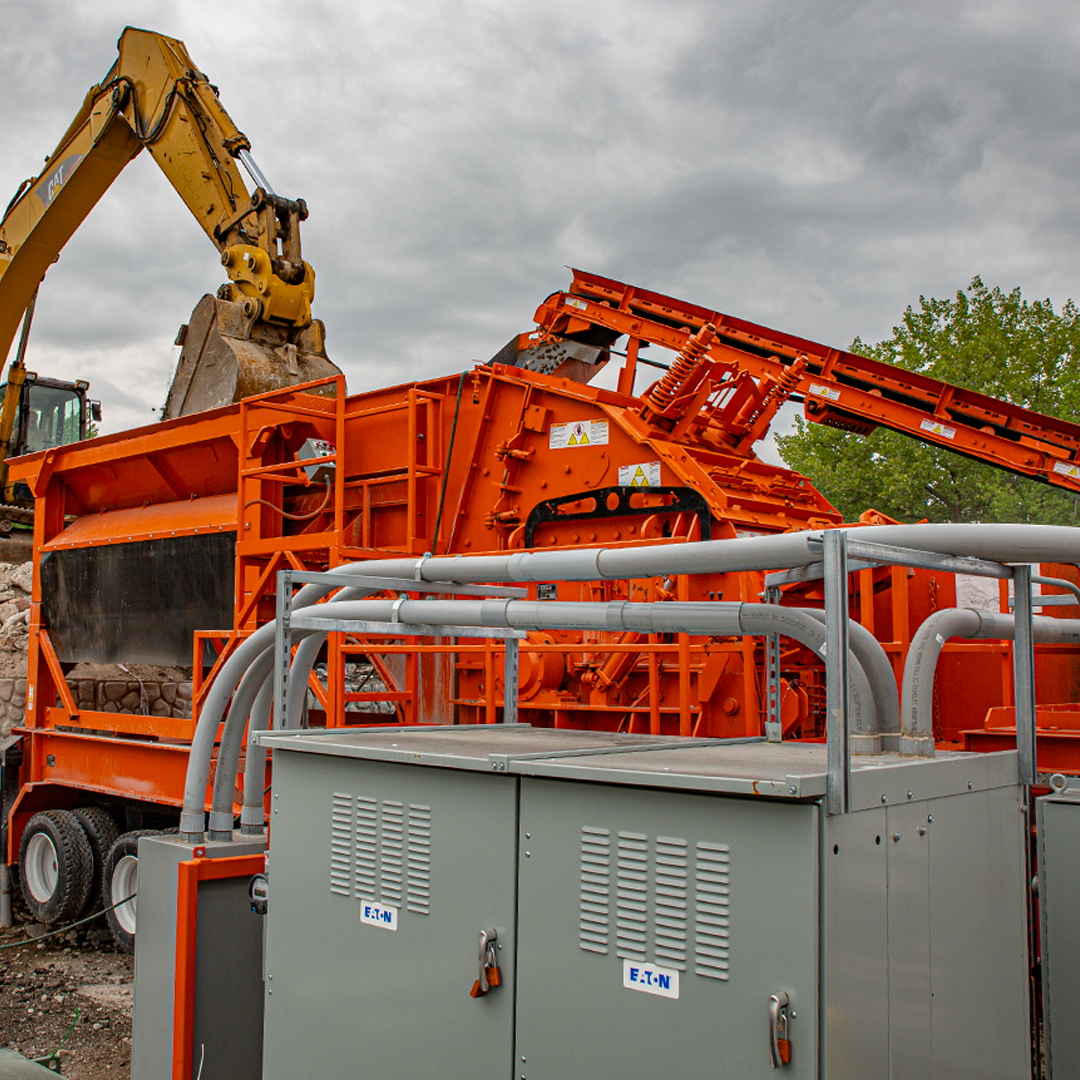
In order to protect team members who are performing maintenance on crushing equipment like portable plants, energy must be completely removed and disconnected from relevant components to make maintenance safe. This critical safety process is known as an isolation procedure or, more commonly, lockout tagout procedure.
Lockout tagout procedure is a common safety practice performed to isolate energy from machines and prevent injury. The energy sources are isolated and “locked out” so they cannot be turned on again, and “tagged out” so other team members know who is responsible for turning them back on. Understanding and following this procedure is essential for portable plant maintenance safety.
Energy Sources to Isolate
Equipment like Eagle Crusher portable plants generally have two sources of power that operate the machines: a diesel engine and main electrical control panel, or an electric motor starter panel and main electrical control panel. It is recommended that both of these components are isolated to safeguard personnel during maintenance work.
When performing portable plant maintenance safety procedures, these are the primary energy sources that must be locked out:
Electrical Power:
- Main electrical control panel
- Electric motor starter panel
- Individual circuit breakers
Mechanical Power:
- Diesel engine
- Hydraulic systems
- Pneumatic systems
Failing to properly isolate any of these energy sources can result in serious injury or death if equipment unexpectedly starts during maintenance.
Step-by-Step Lockout Tagout Procedure
Following proper crusher safety procedures requires a systematic approach to energy isolation. Here’s how to execute lockout tagout correctly:
Step 1: Announce the Shutdown
A team member must announce the shut-off to all affected crushing personnel before beginning the lockout tagout procedure. Clear communication ensures everyone on site knows maintenance is about to begin.
Step 2: Identify and Isolate Energy Sources
Identify all energy sources that power the equipment, including those mentioned above. Each energy source must be completely isolated from the crushing equipment.
Step 3: Lock Out the Energy Sources
Apply lockout devices to each isolated energy source. These devices physically prevent the energy from being restored. Each worker performing maintenance should apply their own personal lock.
Step 4: Tag Out the Energy Sources
Attach tags to each locked-out energy source. Tags should include:
- Name of the person who applied the lock
- Date and time of lockout
- Reason for lockout
- Contact information
Step 5: Verify Energy Isolation
Before beginning maintenance work, confirm that energy has indeed been isolated. Test the equipment to ensure it cannot be started. This verification step is critical for safety.
Step 6: Perform Maintenance Safely
Only after confirming complete energy isolation should maintenance work begin on the crushing equipment.
Restoring Energy After Maintenance
When the time comes for energy to be resupplied to the portable plant, the team member responsible for the lockout tagout procedure must follow these steps:
Before Unlocking:
- Complete all maintenance work
- Remove all tools and equipment from the work area
- Verify that all guards and safety devices are back in place
- Ensure the work area is clear of personnel
Unlocking Process:
- Verify that all affected personnel are clear of the equipment
- Remove tags and lockout devices (only the person who applied them should remove them)
- Restore energy sources in the proper sequence
- Test equipment operation before returning to production
When to Use Lockout Tagout Procedure
Lockout tagout procedure should be followed in any instance where energized components can become a hazard for team members and should never be overlooked or ignored. Common maintenance scenarios requiring lockout tagout include:
- Blow bar replacement or rotation
- Conveyor belt repairs or replacement
- Screen deck changes
- Hydraulic system maintenance
- Electrical troubleshooting or repairs
- Cleaning jammed material from crushers
- Lubrication of moving parts
- Any work near rotating equipment or moving conveyors
Best Practices for Portable Plant Maintenance Safety
Beyond basic compliance for lockout tagout, consider these best practices:
- Use Personal Locks: Each worker should have their own personal lock that only they can remove. Never share locks or allow someone else to remove your lock.
- Verify Zero Energy: Always test equipment after lockout to confirm zero energy state. Don’t assume energy is isolated—verify it.
- Document Everything: Keep records of all lockout tagout activities, including who performed them, when, and on what equipment.
- Conduct Regular Audits: Periodically review your lockout tagout procedures and observe workers performing them to ensure compliance.
- Plan for Complex Equipment: For equipment with multiple energy sources (like portable plants), create detailed lockout procedures specific to each maintenance task.
- Ensure Proper Training: All crushing personnel should be thoroughly trained on lockout tagout procedures to protect themselves and others.
- Maintain Regulatory Compliance: Follow OSHA and MSHA requirements, including written energy control programs, documented training, periodic inspections, appropriate lockout devices, and clear group lockout procedures.
- Establish Emergency Procedures: All personnel should know what to do if energy is accidentally restored or if they discover improperly locked-out equipment.
Protecting Your Team Through Proper Safety Procedures
Lockout tagout procedure is not optional—it’s a critical life-saving practice that must be followed every time maintenance is performed on crushing equipment. The few extra minutes required to properly lock out and tag out energy sources can prevent devastating injuries.
For more information about the procedure and how to keep your crushing site safe, please review recommendations from agencies like OSHA, MSHA, or relevant state or local health and safety administrations, or contact Eagle Crusher to speak with a Team Eagle representative about equipment-specific safety procedures.
Important Disclaimer: This article does not serve as an official safety recommendation by Eagle Crusher and should not be viewed as such. All relevant staff should consult their owner’s manual before operating Eagle Crusher equipment, or any other manufacturer’s equipment, and comply with the safety guidelines therein. For specific regulatory requirements and detailed safety procedures, consult OSHA standards, MSHA guidelines, and your organization’s safety policies.