

Blog
What Are High Crome Blow Bars and What Can They Do for You?
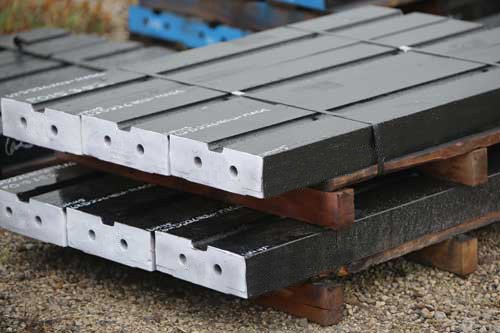
Your impact crusher is only as productive as the blow bars inside it. When these critical wear components start to round and degrade, you’ll see it immediately in reduced throughput, excessive fines, and higher operating costs. Understanding blow bar metallurgy and replacement timing keeps your crushers and your operation running efficiently.
Here, we’ll explain what blow bars are, how different chrome alloys perform, and when replacement is necessary to maintain peak production.
What Are Blow Bars?
Blow bars are thick slabs of metal, typically some mixture of chrome, that are cast for the purpose of effectively breaking apart material like asphalt, concrete, limestone, and more. Often in sets of 3 or 4, blow bars are inserted into an impact crusher’s rotor where they strike material needing to be processed.
As an important component of horizontal shaft impact crushers, HSI blow bars come into direct contact with material and provide a powerful impact force. HSI crushers and their blow bars are designed to fracture material quickly, resulting in high production rates and reduced costs-per-ton when compared to other types of crushers.
Understanding Blow Bar Metallurgy
Many styles of blow bars exist, varying in size and metallurgy, which is determined by the type of material being crushed and the desired output. The range of metallurgies includes low chrome blow bars, medium chrome, high chrome, and also a hybrid alloy, each offering their own unique advantages when crushing materials.
How Chrome Content Affects Performance
The amount of chrome mixed into the design of a blow bar determines how well the part can withstand abrasive materials. The more chrome in a blow bar, like in high chrome blow bars, the more effective it can crush highly abrasive materials, like asphalt. Medium chrome blow bars are valuable for processing a variety of materials while low chrome bars can be useful for crushing aggregate and concrete.
On the other hand, the amount of chrome mixed into a blow bar can also determine how susceptible the bar is to fracturing. When crushing reclaimed materials that might include metal contaminates like rebar, high chrome blow bars are more likely to fracture. Meanwhile, low chrome bars are better at withstanding the impact of rebar and other metal contaminants.
When to Consider Blow Bar Replacement
Due to the repetitive crushing that blow bars endure, they will wear down over time. Their composition and how often they are used will determine how often they will need flipped or replaced.
Recognizing when blow bar replacement is needed helps maintain optimal crusher performance:
- Visible wear on striking edges
- Reduced production rates
- Increased fines in discharge material
- Uneven wear patterns
Stocking fresh blow bars so that material is being impacted by smooth, uniform edges will contribute to maintaining high production rates. Many blow bars can also be flipped to utilize the unworn edge before complete blow bar replacement is necessary, effectively extending their useful life.
Get Eagle Crusher Genuine Blow Bars
Developed by expert metallurgists and manufactured exclusively by Eagle Crusher, our genuine blow bars are designed to extend wear life, provide a perfect fit for your impactor, and increase production rates while decreasing costs-per-ton.
Eagle Crusher blow bars are available in a variety of metallurgies—including high chrome blow bars, medium chrome, and low chrome options—to accommodate your unique crushing needs.
For complete Eagle Crusher genuine blow bar product specifications and blow bar replacement recommendations for your specific application, please visit this page or contact us.