

Blog
Service Questions: 2025 Recap
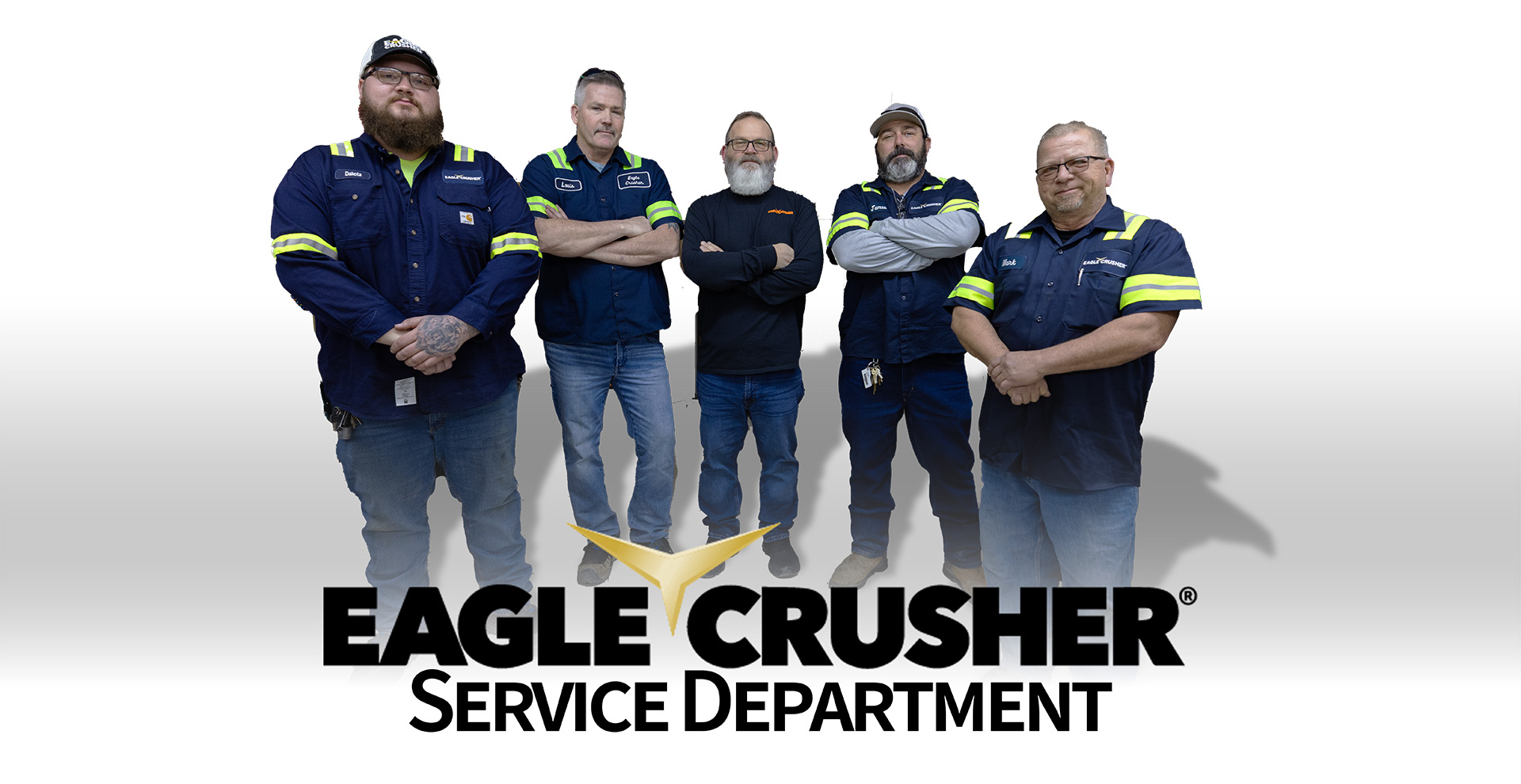
Service Questions: 2025 Recap
Thank you for following along in another year of our “Service Questions” series. We are always happy to share our expertise when it comes to our rock crushers and how to maintain them and can’t wait to share more information next year. For now, take a break and refresh your knowledge with 2025’s Service Questions.

General Safety
This year let’s make it our resolution to stay vigilant about protecting ourselves with the knowledge of rock crusher safety.
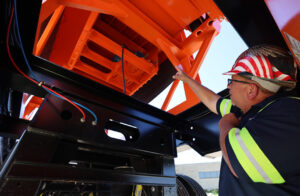
During start-up, it’s important to always follow the instructions the factory field service technician provides or the instructions in your operator’s manual along with your employer’s site approved plan. While the plant is in operation, it’s imperative that you follow all safety procedures for the safety of yourself and the machine. As with any piece of equipment, rock crushers are also in need of regular maintenance. To ensure that maintenance is done correctly, make sure you follow the instructions that were given at start-up by your field service technician and the information in the operator’s manual.
Read more about general safety with rock crushers.
Looking Back at over 35 Years of Eagle Service
Join us in honoring BC’s 15 years of being Eagle Crusher’s Service Manager with 15 facts, stories, and challenges he faced over the years.
 For over 35 years, Bill Compton (BC) has been the backbone of Eagle Crusher, setting the standard for exceptional service, leadership, and innovation. As we celebrate his retirement, we reflect on his unwavering dedication, the countless challenges he has turned into opportunities, and the lasting impact he has had on our team and customers alike. BC’s passion and commitment have not only shaped our company’s success but has inspired us all to aim higher every day. BC worked at Eagle Crusher for a total of 42 years, serving as Group Leader over the Jaw Crusher assembly, Cobey composter assembly, and small crushing plant assembly at the previous Galion facility in 1986; temporary Plant Manager at the new, and current, Bucyrus location from 1994 to mid-1995; Service Technician starting in 1991; and finally awarded the title of Service Manager in 2010. Join us in honoring BC’s 15 years of being Eagle Crusher’s Service Manager with 15 facts, stories, and challenges he faced over the years.
Read more about BC’s journey at Eagle Crusher.
Parts that Require Regular Replacement
The regular placement of parts is not just a best practice; it’s a necessity for keeping heavy equipment running smoothly and safely.

Heavy equipment is the backbone of industries like construction, agriculture, and mining. These machines, such as rock crushing equipment, take on demanding tasks daily, making their reliability crucial for productivity and safety. However, without regular maintenance, even the most robust equipment can break down unexpectedly, leading to costly repairs, project delays, and safety hazards. Implementing a consistent maintenance routine ensures that your heavy machinery operates efficiently, extends its lifespan, and minimizes downtime—ultimately saving your business time and money.
Read more about Parts that Require Regular Replacement.
Bearings and Shafts
Explore the best practices for maintaining bearings and shafts to keep your heavy equipment running optimally.
Bearings and shafts are fundamental components of heavy machinery, playing a crucial role in ensuring smooth operation and efficiency. Bearings reduce friction between moving parts, allowing machines to run with minimal wear and tear, while shafts serve as the backbone, transmitting power and rotational motion. Proper maintenance of these components is essential to prevent breakdowns, extend machinery lifespan, and reduce costly repairs. Neglecting them can lead to premature failure, decreased performance, and even hazardous working conditions.
Read more about Bearings and Shafts.
What to Check Before Buying Used Crushers
Get crucial tips for purchasing used crushing equipment. Our used rock crusher checklist helps you find the best used crusher for your needs.
When it comes to investing in rock crushing equipment, buying used can be a smart way to save money without sacrificing performance, if you know what to look for. Whether you’re expanding an existing operation or just getting started in the rock crushing business, used crushers can offer reliable service at a fraction of the cost of new machines.
However, the key to making a sound purchase lies in knowing which features and conditions to inspect.
Read more about What to Check Before Buying Used Crushers.
Ensuring Your Rotor Lasts
With proper care and timely maintenance, a rotor can stand the test of time.
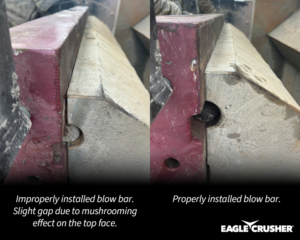
When it comes to keeping your rock crusher performing at its peak, the rotor is the heart of the operation. Responsible for generating the crushing force and managing material flow, the rotor takes on intense wear and impact with every cycle. That’s why consistent servicing of your rotor is critical. Not only to avoid downtime, but to ensure your equipment’s longevity. With proper care and timely maintenance, a rotor can stand the test of time and serve your operation for generations.
Read more about Ensuring Your Rotor Lasts.
Component Inspections
By committing to thorough and timely crusher inspections, you’re investing in the long-term reliability of your operation.
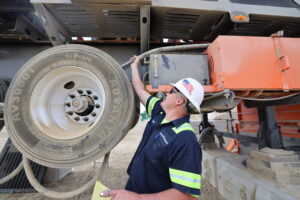
When it comes to keeping your rock crusher running at peak performance, component inspections are one of the most effective tools in your preventative maintenance arsenal. Regular inspections of critical parts like bearings, belts, liners, and rotors can help identify wear and tear long before it leads to costly downtime. These routine check-ups not only extend the lifespan of your crusher but also support safer operation and better production quality. By committing to thorough and timely inspections, you’re investing in the long-term reliability of your crushing operation.
Read more about Component Inspections.
Understanding Variable Frequency Drives (VFDs)
When you understand the role your VFD plays, you’re not just protecting a single component, but your entire crushing operation.
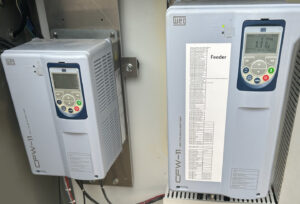
Variable Frequency Drives (VFDs) are becoming an essential component in modern rock crushing operations, offering improved control, efficiency, and protection for your equipment. By precisely regulating motor speed and torque, VFDs help reduce mechanical stress, optimize energy usage, and adapt crusher performance to varying feed conditions. But beyond their operational benefits, understanding how your VFD functions, and the early signs of potential issues, is key to implementing effective preventative maintenance. A well-monitored VFD can extend the lifespan of your crusher, minimize costly downtime, and ensure consistent production output.
Read more about Understanding Variable Frequency Drives.
Training on Your Equipment’s Operation and Safety
Here at Eagle Crusher, we offer both onsite equipment training and classroom training at our Headquarters in Galion, Ohio.
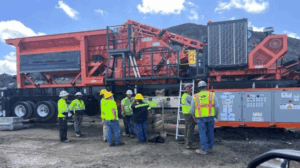
When it comes to operating heavy equipment, there’s no substitute for the knowledge of those who designed and built it. A manufacturer’s service team doesn’t just know the machine, they understand its engineering, its limits, and the best practices to keep it running at peak performance. Listening to their advice and taking advantage of equipment-specific training ensures that your team is not only using the machinery correctly but also maximizing its lifespan, efficiency, and safety.
Read more about Training on Your Equipment’s Operation and Safety.
Tools Needed to Work on Your Rock Crusher
From heavy-duty wrenches to safety gear, every tool plays a critical role in keeping your crusher running smoothly and safely.
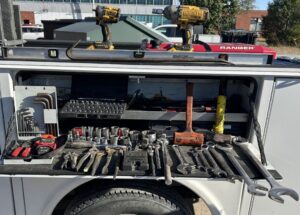
Working on and operating rock crushing equipment requires more than just skill, it demands the right tools for the job. From heavy-duty wrenches and torque tools for maintenance to gauges, diagnostic devices, and safety gear for daily operation, every tool plays a critical role in keeping your crusher running smoothly and safely. Understanding what’s needed and how to use each piece properly can mean the difference between efficient production and costly downtime.
Read more about the Tools Needed to Work on Your Rock Crusher.