

Blog
Hopper Feeder and Grizzly Deck Maintenance: Essential Care for Portable Crushing Plants
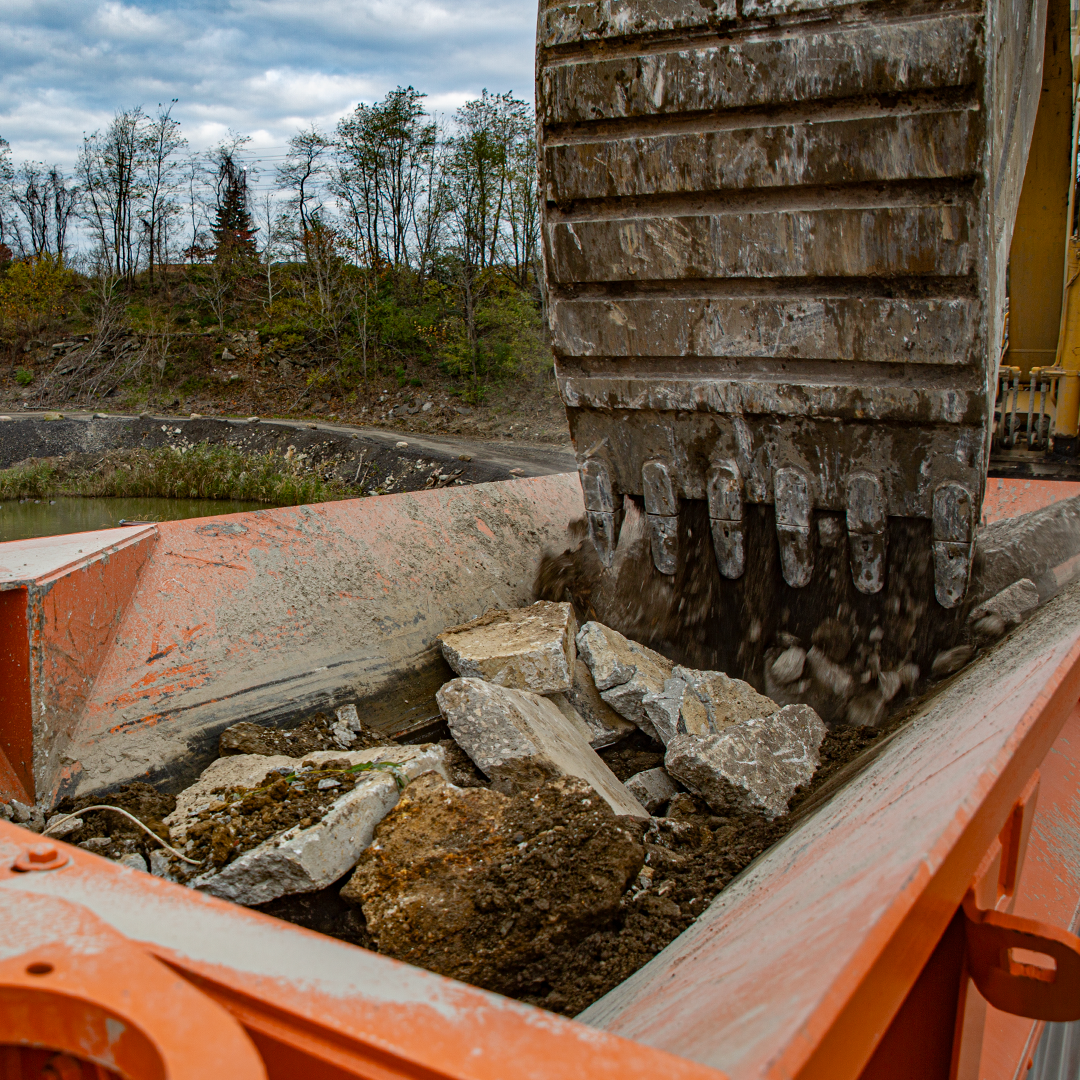
In the crushing business, abrasive materials like aggregate, concrete, and asphalt can wear away at vital components across the production line. While these components are manufactured to withstand steady wear, they will require regular upkeep to maintain efficiency and longevity.
As the entry point for the flow of these materials, hoppers and feeders receive their fair share of wear over time. Proper hopper feeder maintenance and grizzly deck maintenance are critical to combating this wear and extending equipment life. Implementing a reliable maintenance and servicing process protects your investment and maximizes production uptime.
Here, we break down the essential maintenance practices for both components to help you optimize uptime and extend equipment life.
Understanding Hopper Feeders and Grizzly Decks
Hopper feeders are the primary entry point where material enters your portable crushing plant. A vibrating grizzly feeder combines feeding and initial screening functions, moving material forward while separating larger rocks from fines.
Grizzly decks serve to separate larger material from fines before primary crushing, receiving regular wear from the abrasive materials passing over them. Both components work together to optimize the material flow and initial processing stage.
Hopper Feeder Maintenance: Protecting Your Equipment
Daily inspections at the start and end of the day can go a long way in increasing the longevity of your hopper feeder. Implementing a solid hopper feeder maintenance routine protects your equipment and extends component life.
Maintenance Checklist:
- Inspect feeder liners for deformations that can affect production
- Check vibration levels and listen for unusual sounds
- Verify hopper is level to prevent uneven wear on liners
- Ensure all connection points and bolts are secure
- Ensure drive motors are appropriately lubricated
- Check and manage oil levels regularly
- Examine springs as part of your regular maintenance
- Replace worn springs that affect feeder operation
- Inspect prescreens and replace as needed
To slow the rate of liner wear, manage the size and rate of material being fed into the hopper feeder. Worn liners need to be replaced promptly to protect vulnerable hopper feeder components. When replacing liners, keep spare parts on hand to minimize downtime.
Grizzly Deck Maintenance: Sustaining Screening Performance
Grizzly deck maintenance is equally important for maintaining efficient material processing. Grizzly deck bars serve to separate larger material from fines and receive regular wear that must be addressed proactively.
Maintenance Checklist:
- Clear any material wedged between grizzly bars daily to prevent further wear
- Inspect bars for wear, breakage, or misalignment
- Verify bar spacing ensures proper screening performance
- Check mounting bolts and support structures for security
- Monitor wear patterns to anticipate future replacement needs
- Keep spare bars available for quick replacement
- Verify bars are installed with proper spacing after replacement
- Check frame alignment and levelness to maintain optimal performance
Over time, grizzly bars can wear down and must be repaired or replaced to maintain proficient scalping or screening capabilities. When bars show significant wear, replace them promptly to ensure continued screening efficiency.
General Maintenance Best Practices
Beyond component-specific care, maintain these general practices for your entire portable crushing plant:
- Schedule preventive maintenance during planned downtime rather than waiting for failures
- Keep detailed maintenance records to track component lifespan and wear patterns
- Stock common replacement parts (liners, bars, springs) to minimize production interruptions
- Train operators to recognize early signs of wear and report issues promptly
- Perform visual inspections before each production shift
- Review and follow manufacturer maintenance schedules
Safety Considerations for Maintenance Work
Prior to any maintenance on the hoppers or feeder, properly shut down all equipment and follow lockout-tagout procedures as defined in the equipment owner’s manual and in accordance with federal, state, or local safety regulations. Ensure all personnel are clear of the equipment and verify that energy has been isolated before beginning work.
Eagle Crusher Is Here to Help
Consistent grizzly deck and hopper feeder maintenance directly impact your portable crushing plant’s productivity and profitability. Components that receive regular attention operate more efficiently, wear more predictably, and last significantly longer than neglected equipment.
For more information about maintaining the hopper feeder and grizzly deck of a portable crushing plant, contact Eagle Crusher and speak with a Team Eagle representative. Our service team can help you develop a customized maintenance schedule, identify replacement parts specific to your equipment, and more.